Archives
- 2026-07
- 2026-06
- 2026-05
- 2026-04
- 2026-03
- 2026-02
- 2026-01
- 2025-12
- 2025-11
- 2025-10
- 2025-09
- 2025-03
- 2025-02
- 2025-01
- 2024-12
- 2024-11
- 2024-10
- 2024-09
- 2024-08
- 2024-07
- 2024-06
- 2024-05
- 2024-04
- 2024-03
- 2024-02
- 2024-01
- 2023-12
- 2023-11
- 2023-10
- 2023-09
- 2023-08
- 2023-07
- 2023-06
- 2023-05
- 2023-04
- 2023-03
- 2023-02
- 2023-01
- 2022-12
- 2022-11
- 2022-10
- 2022-09
- 2022-08
- 2022-07
- 2022-06
- 2022-05
- 2022-04
- 2022-03
- 2022-02
- 2022-01
- 2021-12
- 2021-11
- 2021-10
- 2021-09
- 2021-08
- 2021-07
- 2021-06
- 2021-05
- 2021-04
- 2021-03
- 2021-02
- 2021-01
- 2020-12
- 2020-11
- 2020-10
- 2020-09
- 2020-08
- 2020-07
- 2020-06
- 2020-05
- 2020-04
- 2020-03
- 2020-02
- 2020-01
- 2019-12
- 2019-11
- 2019-10
- 2019-09
- 2019-08
- 2019-07
- 2019-06
- 2019-05
- 2019-04
- 2018-07
-
br DUBs in regulation of critical steps in tumor
2021-01-06
DUBs in regulation of critical steps in tumor metastasis Tumor metastasis comprises a complicated series of biological processes in terms of the invasion-metastasis cascade that requires cancer Biocytin to (1) migrate and invade from the origin sites through the extracellular matrix (ECM) to the
-
Several DA receptors heteromers with a therapeutic potential
2021-01-06
Several DA receptors heteromers with a therapeutic potential have been described, including D1R/D3R (Fiorentini et al., 2010), but their roles remain to be established. Moreover, most studies on receptor heteromers in addiction focused on the striatum because of its key role in the pathology and its
-
Collagen alignment can contribute to
2021-01-06
Collagen alignment can contribute to tissue stiffening (Malik et al., 2015, Paszek et al., 2005), and ECM stiffness in turn is a powerful activator of integrin function (Levental et al., 2009). These findings highlight the contribution of the mechanical properties of the ECM to signal transduction.
-
br The role of chemokine and AD Chemokines
2021-01-06
The role of chemokine and AD Chemokines are small cytokine proteins that are involved in various immunological and physiological functions. These proteins can be involved in cell migration and localization during homeostasis and inflammation, and as such, they were named chemokines [80]. Chemokin
-
Acknowledgments br Prostaglandin D PGD plays a key role in
2021-01-06
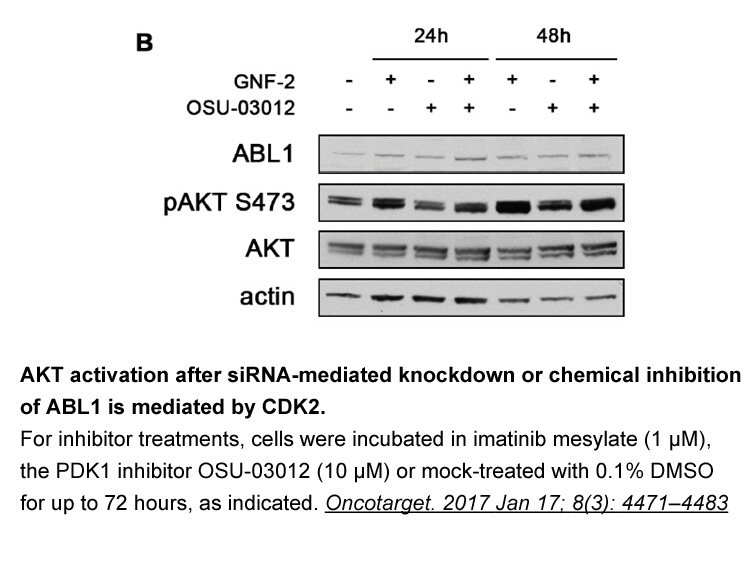
Acknowledgments Prostaglandin D (PGD) plays a key role in mediating allergic reactions such as those seen in asthma, allergic rhinitis, atopic dermatitis and allergic conjunctivitis. PGD is the major cyclooxygenase product formed and secreted by activated mast cells and its levels in bronchoalveo
-
Taking into account that Gr dysfunction is involved
2021-01-06
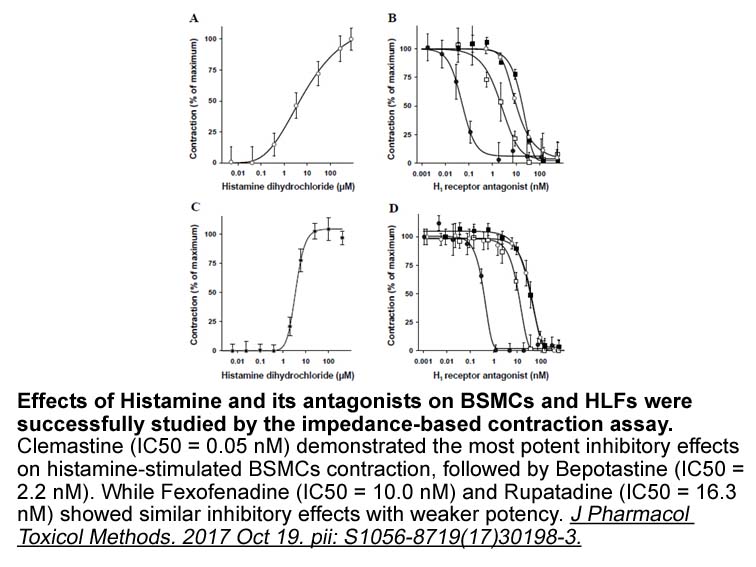
Taking into account that Gr dysfunction is involved in the molecular mechanisms underlying HPA axis disorder (Li et al., 2017b) and Gr activity has been reported to be lowered in patients with severe mood disorders (Rush et al. 1996) and in adult rats (Green et al. 2016), PFOS could alter HPA axis a
-
br Materials and methods br Results
2021-01-05
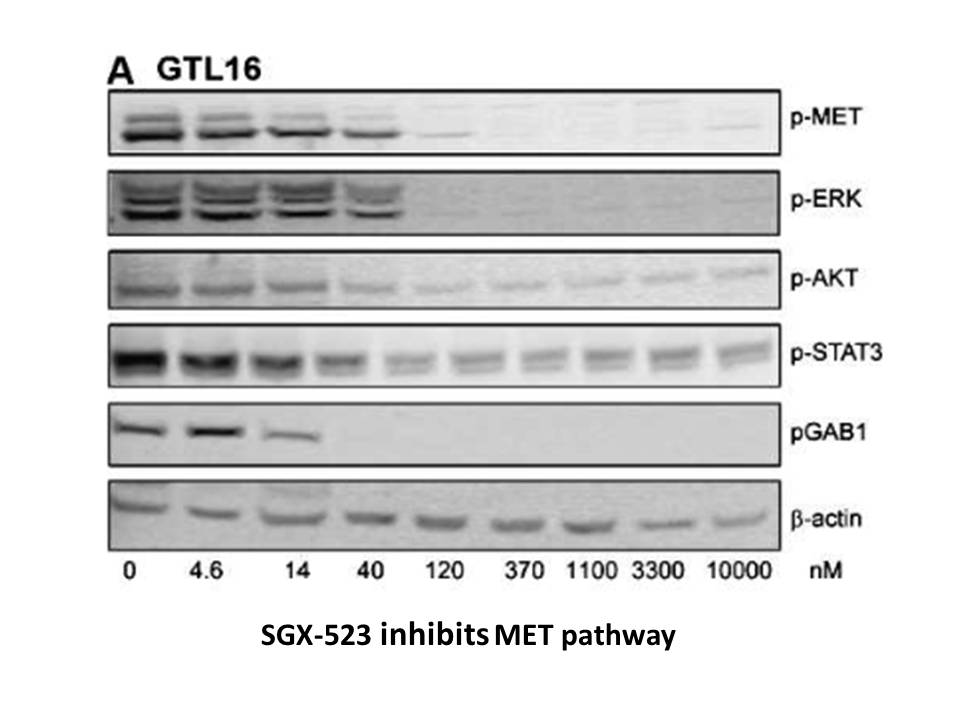
Materials and methods Results Discussion In this study, we have shown that fat body-specific knockdown of the key splicing factors U1-70K and U2AF lead to decreased triglyceride storage phenotypes in larvae. Additionally, there was no accompanying defect in glycogen storage observed in thes
-
br No Evidence for Further
2021-01-05
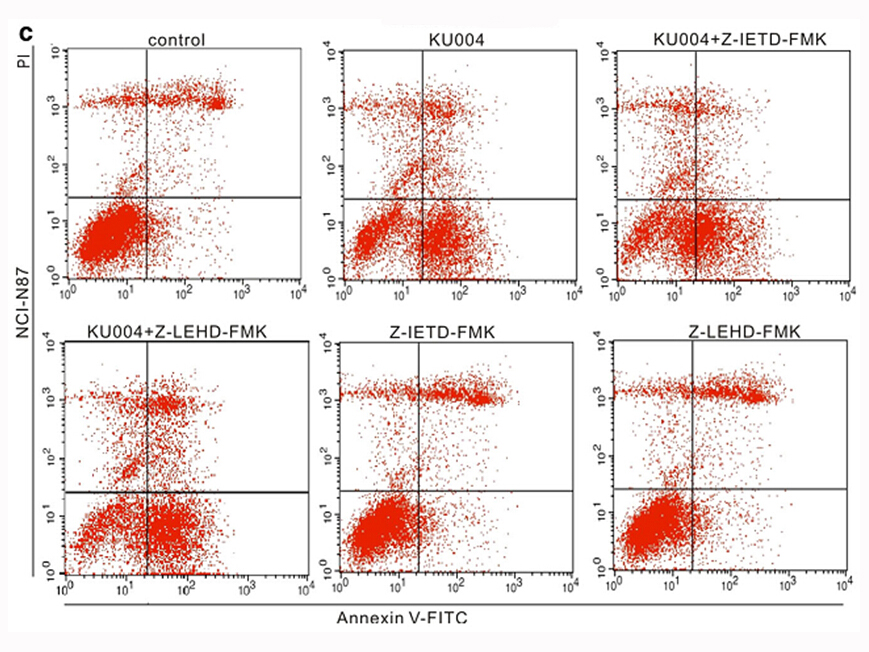
No Evidence for Further ET-Receptor Subtypes Further receptor subclassifications have been proposed including suggestions that ETB could be subdivided into ETB1, present on endothelial cells, and ETB2 on smooth muscle cells, but there currently is no evidence that the receptors expressed by these
-
The rate of protein degradation is often
2021-01-05
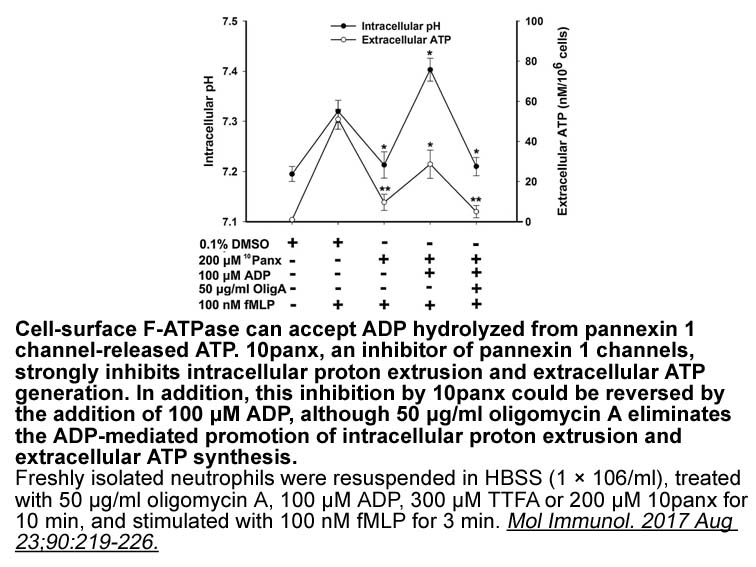
The rate of protein degradation is often affected by N-starvation [12], therefore, we examined the influence of N-starvation against the appearance of CEPs. N-starved cucumber cotyledons contained less amounts of protein and Rubisco, but the temporal changes in protein and Rubisco contents were simi
-
In the present study real time polymerase chain reaction
2021-01-05
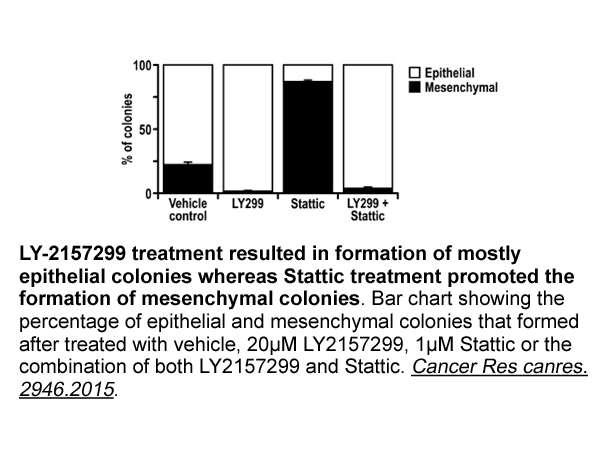
In the present study, real-time polymerase chain reaction also confirmed that gene expressions of RT1 class II, locus Bb (RT1-Bb) was up-regulated and Spi-B transcription factor (Spib) was downregulated at day 3 after the VMH lesions. These two genes work as one of immune responses. RT1-Bb controls
-
We further assessed EBI expression in RRMS patients before a
2021-01-05
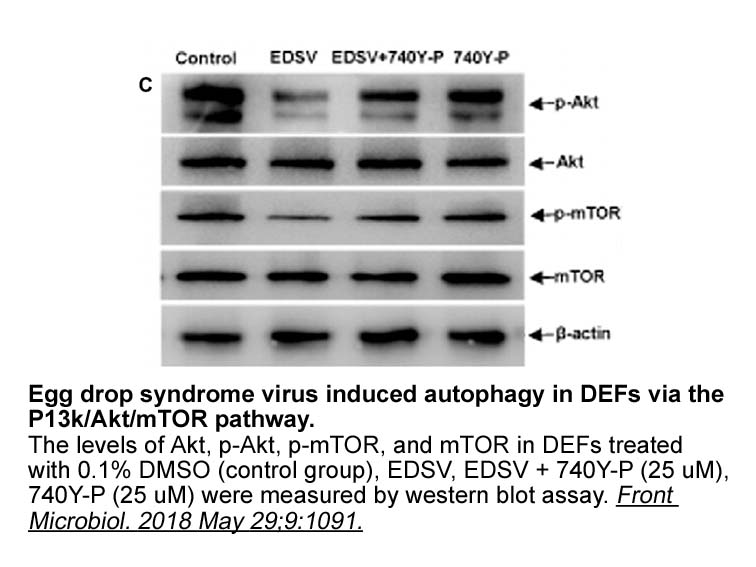
We further assessed EBI2 expression in RRMS patients before and during NTZ treatment. A significant increase of EBI2 expression was observed in memory CD4+ T cell subpopulations, but not in CD8+ T cell or in CD19+ B cell subsets of patients undergoing NTZ treatment, with a parallel gain in the migra
-
br Experimental br Acknowledgments The
2021-01-05
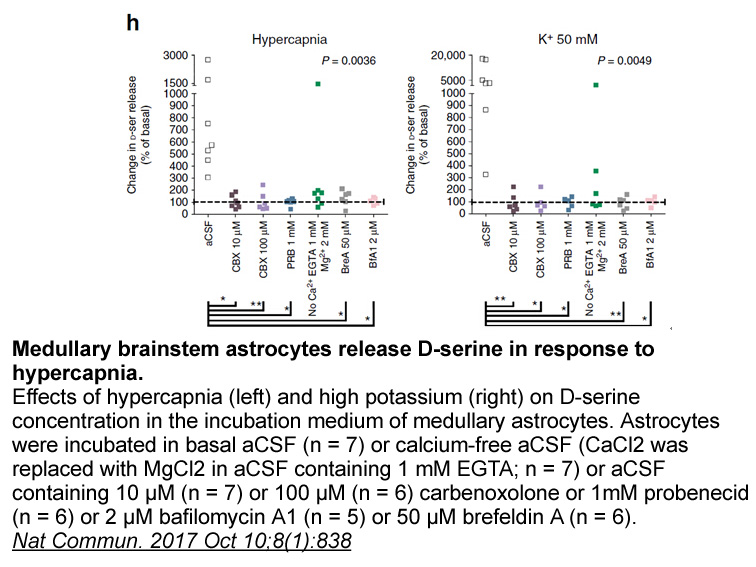
Experimental Acknowledgments The work was supported in part by the National Research and Development Plan (2017YFD0200506), the National Natural Science Foundation of China (21472062 and 31701820), 111 Project B17019, and excellent doctoral dissertation cultivation Grant from Central China Nor
-
Cytochrome P CYP enzymes plays an essential role
2021-01-05
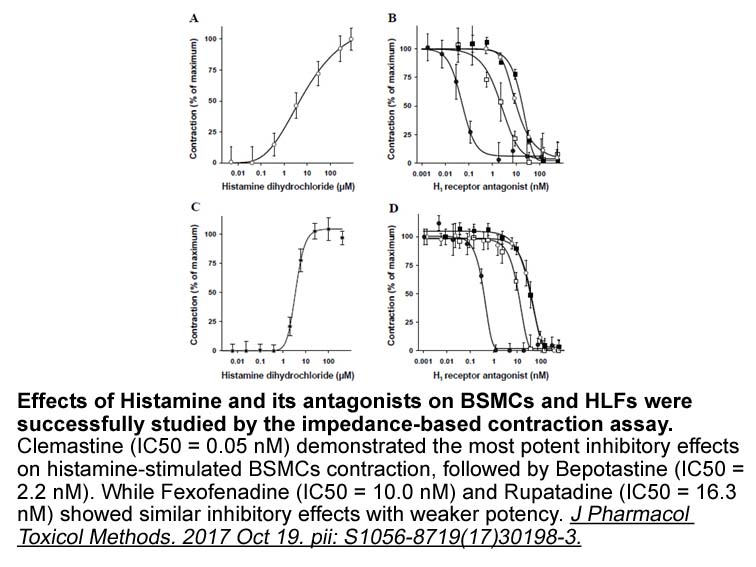
Cytochrome P450 (CYP-450) enzymes plays an essential role in pharmacology of drugs and toxicology of xenobiotics. Inhibition of these enzymes may lead to increase plasma levels of a concomitantly administered drug (Lee et al., 2013). It may prolong or reduce the pharmacological effects and increase
-
Models and theories The CPA equation of state is
2021-01-05
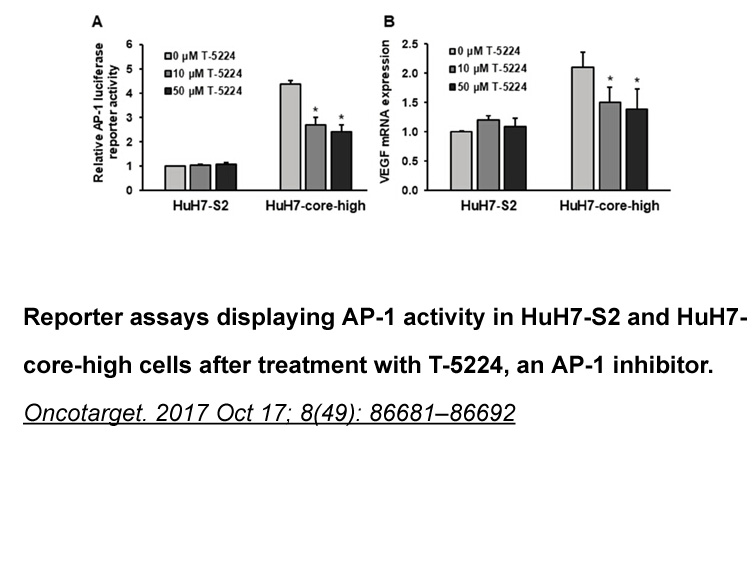
Models and theories The CPA equation of state is composed predominantly of two parts: physical item and the association item based on the thermodynamic perturbation theory [21], [22], [26], [27]. The physical item is used to represent intermolecular physical interaction, usually representing the SR
-
br Acknowledgments This work was
2021-01-05
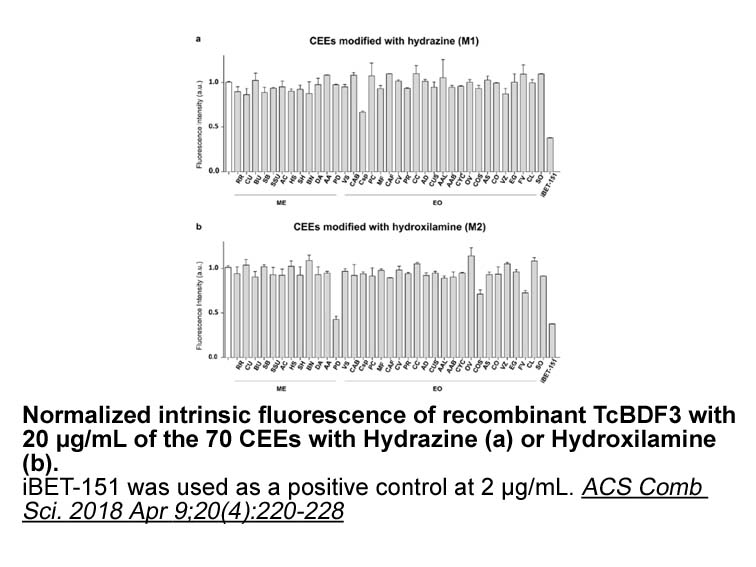
Acknowledgments This work was funded by the EU ERDF and the Spanish Ministry of Economy and Competitiveness (MINECO) under Project TIN2013-41576-R, and the Spanish Ministry of Education, Culture and Sport (MECD) under a FPU grant (AP2010-3259), and the Andalusian Regional Government (Spain) under
16366 records 774/1092 page Previous Next First page 上5页 771772773774775 下5页 Last page